Archives
- 2026-06
- 2026-05
- 2026-04
- 2026-03
- 2026-02
- 2026-01
- 2025-12
- 2025-11
- 2025-10
- 2025-09
- 2025-03
- 2025-02
- 2025-01
- 2024-12
- 2024-11
- 2024-10
- 2024-09
- 2024-08
- 2024-07
- 2024-06
- 2024-05
- 2024-04
- 2024-03
- 2024-02
- 2024-01
- 2023-12
- 2023-11
- 2023-10
- 2023-09
- 2023-08
- 2023-06
- 2023-05
- 2023-04
- 2023-03
- 2023-02
- 2023-01
- 2022-12
- 2022-11
- 2022-10
- 2022-09
- 2022-08
- 2022-07
- 2022-06
- 2022-05
- 2022-04
- 2022-03
- 2022-02
- 2022-01
- 2021-12
- 2021-11
- 2021-10
- 2021-09
- 2021-08
- 2021-07
- 2021-06
- 2021-05
- 2021-04
- 2021-03
- 2021-02
- 2021-01
- 2020-12
- 2020-11
- 2020-10
- 2020-09
- 2020-08
- 2020-07
- 2020-06
- 2020-05
- 2020-04
- 2020-03
- 2020-02
- 2020-01
- 2019-12
- 2019-11
- 2019-10
- 2019-09
- 2019-08
- 2019-07
- 2019-06
- 2019-05
- 2019-04
- 2018-07
-
Next our exploration shifted to modifications
2019-10-10
Next, our exploration shifted to modifications at the lateral chain of the benzoquinone nucleus (SAR 2). Considering that the CK2 inhibitory activity is favoured by the presence of the -Ph-4-NO2 (SAR 1), the subsequent analogues were investigated with this moiety retained. The influence of the side
-
br Experimental br Results br Discussion
2019-10-10
Experimental Results Discussion In the last two decades, several studies have shown an important role for progestogens, and in particular ALLO, in the modulation of Schwann cell physiology, regulating several biochemical and functional parameters. The classical PR has been found both in ra
-
The Ewing sarcoma breakpoint region gene
2019-10-10
The Ewing sarcoma breakpoint region 1 gene (EWSR1) is a partner in a large, diverse range of mesenchymal (and some nonmesenchymal) tumors (Tables 1 and 2). As the 5′ partner, EWSR1 is able to fuse with an array of genes. These fusions can generate genetically different but phenotypically identical n
-
risedronic acid Recent advances in microarray and next gener
2019-10-10

Recent advances in microarray [32] and next-generation sequencing [33] based technologies have led to tremendous increases in information about the molecular mechanisms that are responsible for malignant transformation of rare and poorly understood soft tissue sarcomas. However, data interpretation
-
The H E staining and Nissl staining
2019-10-10
The H&E staining and Nissl staining results showed that damage to the pyramidal neurons in the CA1 and CA3 regions of the hippocampus were observed in the 50 mg/kg/day DBP group, accompanied by an absence of Nissl bodies, suggesting that DBP exposure can lead to pathological changes in the neurons o
-
Current therapeutic interventions are directed both to
2019-10-09
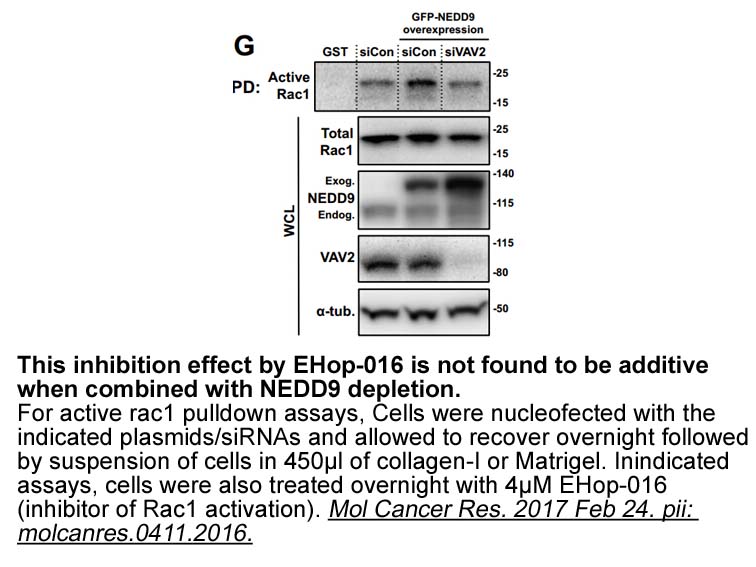
Current therapeutic interventions are directed both to prevent (primarily by proper glycemic control) and to treat the advanced stages of diabetic retinopathy, when vision has already been significantly affected. Although these therapies can be very effective in preventing, delaying or reducing visi
-
The larger eukaryotic ligases such as LigI and LigIV
2019-10-09
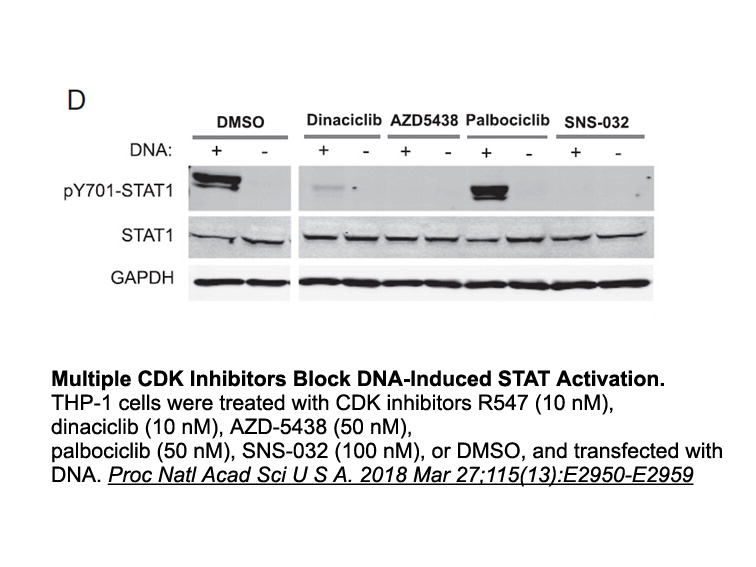
The larger eukaryotic ligases, such as LigI and LigIV, also possess an additional N-terminal DNA-binding domain (DBD) that is required for efficient ligation (Fig. 1c) and enables these ligases to encircle DNA [17]. An equivalent helix–hairpin–helix domain is also present in the bacterial NAD-depend
-
It has been reported that CysLT
2019-10-09
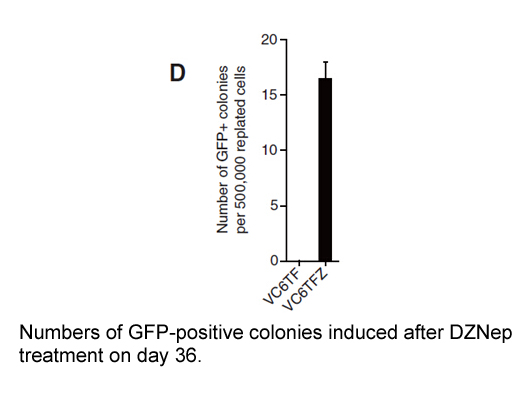
It has been reported that CysLT2 receptors negatively regulate CysLT1 receptor-mediated response in allergic airway inflammation in mice. Knockdown of CysLT2 receptors augmented CysLT1 receptor-mediated mast cell proliferation [31] and eosinophilic airway inflammation induced by antigen challenge in
-
On the basis of the findings described above a
2019-10-09
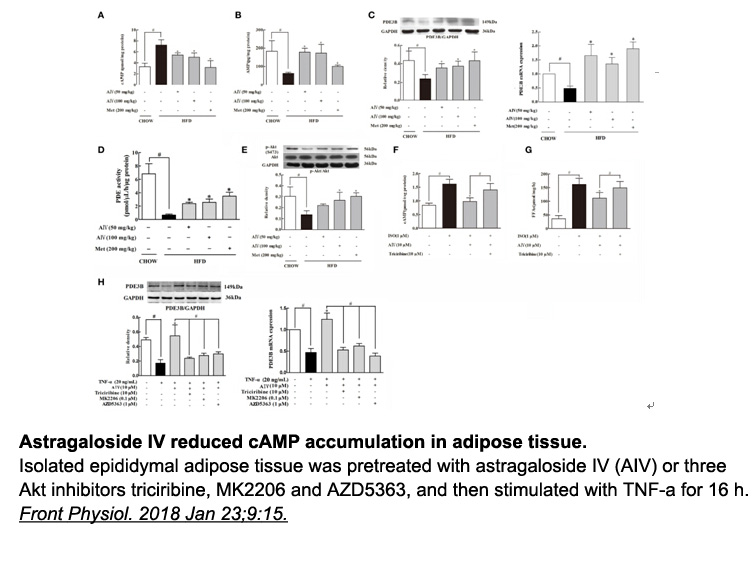
On the basis of the findings described above, a series of heterotricyclic analogs were designed and synthesized. The human CRF1 receptor binding and antagonist activity data for newly designed heterotricyclic core antagonists 28–33 are described in Table 3. Most of the tricyclic core analogs listed
-
Mammalian cells contain significant amounts of
2019-10-09
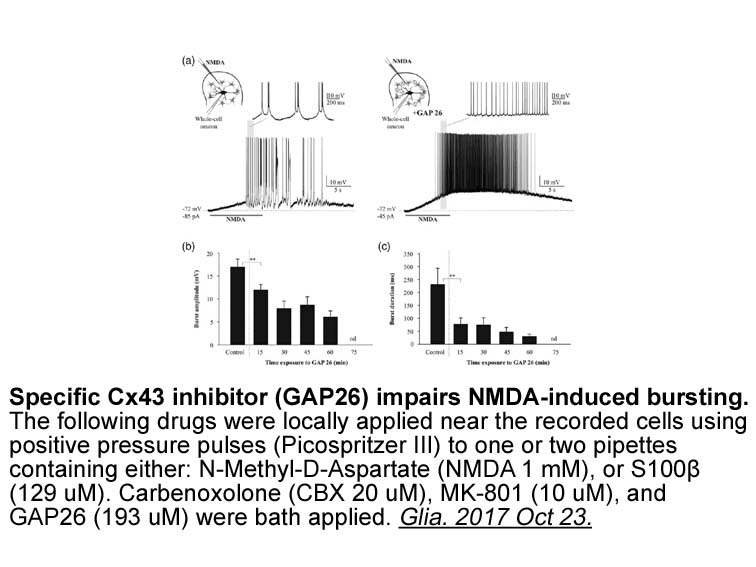
Mammalian cells contain significant amounts of a relatively lesser known enzyme that shows marked specifity for ether lipids containing AA and other 20–22 carbon fatty acids. This enzyme is called CoA-independent transacylase (CoA-IT), and transfers polyunsaturated moieties of 20–22 carbons, typical
-
Related with the studies by Zizza et al described
2019-10-09
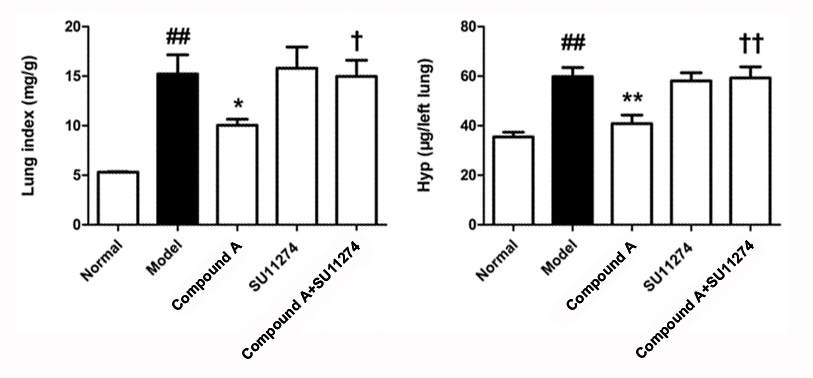
Related with the studies by Zizza et al. described above [66], work by Ward et al. [68] suggested that the C2 domain of cPLA2α, which binds to zwitterionic membranes with high affinity in a Ca2+-dependent manner, has a high membrane remodeling activity, producing dramatic changes in membrane curvatu
-
In addition to providing substantial insight into substrate
2019-10-09
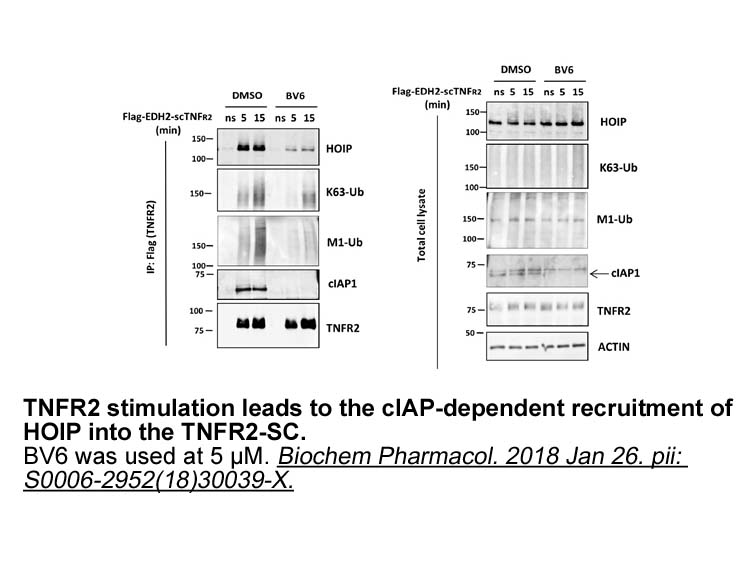
In addition to providing substantial insight into substrate recognition, structural studies have revealed important details about mechanisms of glycosylation and HCF-1 cleavage [28,30,33]. Activation of the nucleotide-sugar is accomplished through interactions of the β-phosphate with the N-terminus
-
br PFL AE as a model for the GRE AEs
2019-10-09

PFL-AE as a model for the GRE–AEs Most of the GRE–AEs have proven difficult to study due to instability, difficulty in overexpression, lability of the iron-sulfur cluster, or other reasons. PFL-AE is the exception, and after the initial discovery of the iron–sulfur cluster in this enzyme [60], co
-
br Conclusions br Acknowledgements Implantable Microsystems
2019-10-09
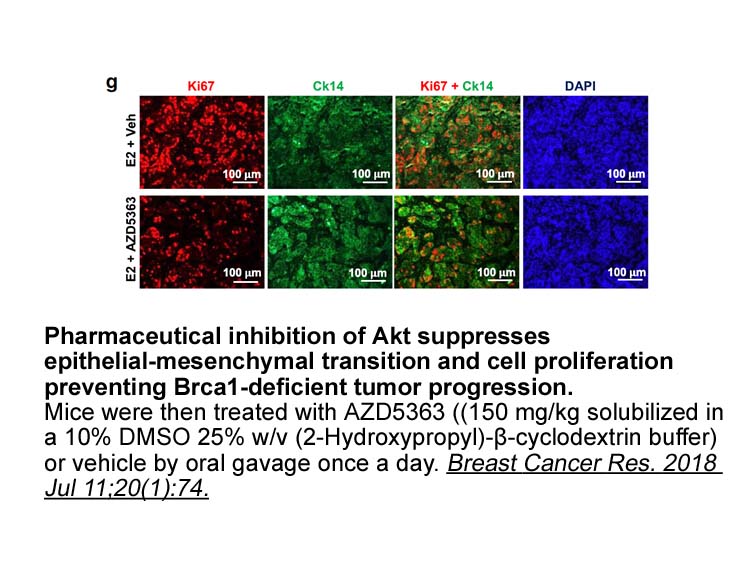
Conclusions Acknowledgements Implantable Microsystems for Personalised Anti-Cancer Therapy is a EPSRC (Engineering and Physical Sciences Research Council, UK) funded grant (Ref. EP/K034510/1) Introduction Flemingia philippinensis, belonging to the legume family, is a polyphenol rich plant
-
Protein degradation via UPP involves
2019-10-09
Protein degradation via UPP involves two steps. One step is the conjugation of multiple ubiquitin to a substrate. The other step is the degradation of tagged protein by the downstream 26S proteasome complex. Protein ubiquitination is the E1–E2–E3 enzymatic cascade (Hershko & Ciechanover, 1998). E1-a
15688 records 953/1046 page Previous Next First page 上5页 951952953954955 下5页 Last page